




Our Residential Mental Health Treatment Facility
Our residential program offers a unique opportunity, where clients have a calm and therapeutic living environment that supports their treatment journey towards mental wellness and healing. This program includes a full-day structured group therapy schedule and weekly sessions with a psychiatrist and individual therapist.
Evening hours and weekends allow time to rest, process and practice what is learned during the day. Optional weekend activities include meditation groups, journaling, yoga, art, other recreational activities, and time for visitation from loved ones.


About Our Behavioral Health Residential Facility
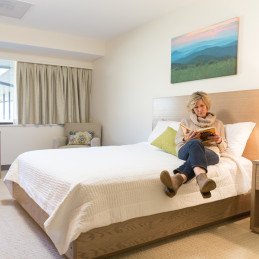
Our residential wing has 36 private bedrooms with en suite bathrooms, designed with safety and comfort as the highest priorities. Our 24/7 staff of nurses and mental health professionals provide comprehensive care with kindness and respect for each individual who resides in the unit.
Therapies
We address core issues, using evidence-based, best practices to help clients set a course towards hope and healing.

Diagnoses
This Residential Program is designed to treat adults 18 years of age or older, who are experiencing one or more of the following diagnoses:

Proven Mental Health Treatment
Clients who have resided in our unit describe a safe living space, with continuous staff support and guidance. Clients express that the residential unit provides a community-based experience in which they can learn and practice healthy living skills with others while feeling safe and supported.
Our experienced team uses a holistic, personalized approach to create a unique treatment plan for each client. The plan outlines the steps needed for clients to make a successful transition to the next stage of their recovery. The length of time in treatment varies based on the individual's clinical needs to ensure success as they gradually return to independent living.

Admissions & Insurance Information
We Love Our Clients

- Ramsha

- Mary
- Brady
- Anthony
- Karl
Frequently Asked Questions
Adults 18 and older with a primary mental health diagnosis such as depressive disorders, bipolar and related disorders, anxiety disorders, trauma- and stressor-related disorders, schizophrenia spectrum and other psychotic disorders, and co-occurring mental health and substance use disorders. Applicants must be medically stable, voluntary, and able to participate in a full daily program.
Inpatient psychiatric hospitalization is designed for individuals experiencing an acute mental health crisis who require, intensive, short-term treatment to ensure their safety and stabilize symptoms. Hospital stays typically last several days and take place in a secure hospital setting.
HopeWay's residential treatment program is a voluntary, unlocked level of care that provides 24/7 support in a therapeutic environment. Residential treatment is designed for individuals who are medically and behaviorally stable enough for a non-hospital setting but continue to need intensive support. Treatment typically lasts around three weeks, allowing clients to build coping skills, participate in evidence-based therapies, and make meaningful progress toward long-term recovery before transitioning to a lower level of care.
The length of stay is individualized based on the client’s progress and goals. However, the average length of stay in our residential program is 26 days.
HopeWay is in-network with several major providers, including Aetna, Blue Cross Blue Shield, Cigna, Magellan, MedCost, Carolina Behavioral Health Alliance, United Behavioral Health, and is a VA Community Care provider.Our finance team will check insurance benefits and authorization during the admissions process.
HopeWay's residential program treats adults experiencing a wide range of mental health conditions, including depressive disorders, bipolar and related disorders, anxiety disorders, trauma- and stressor-related disorders, schizophrenia spectrum and other psychotic disorders, and co-occurring mental health and substance use disorders. Every client receives a comprehensive assessment and an individualized treatment plan tailored to their unique needs and recovery goals.
HopeWay's residential program follows a structured daily schedule designed to support healing, skill-building, and long-term recovery. Clients participate in a variety of evidence-based group therapies, including Cognitive Behavioral Therapy (CBT), Dialectical Behavior Therapy (DBT), process groups, and psychoeducational groups. The schedule also includes integrative therapies such as art, music, horticulture, recreation, nutrition, and drama therapy.
In addition to group programming, clients meet weekly with an individual therapist and psychiatrist to review progress and adjust their treatment plan as needed. Evenings and weekends offer a more relaxed schedule with optional activities such as meditation, yoga, journaling, recreational opportunities, and visitation, allowing clients time to practice new skills, connect with others, and recharge.
We strongly recommend leaving devices such as phones, laptops, and tablets behind, to reduce distraction and the stress of staying "plugged in."
Private. The residential wing has 36 single bedrooms, each with a private en-suite bathroom, organized into six "neighborhoods" named after regions of North Carolina.
Yes, visitation is offered and family involvement is encouraged as part of treatment.
HopeWay provides a Residential Packing Checklist. Generally, comfortable clothing, toiletries, and medications in their original prescription bottles are needed. Sharp objects, drugs/alcohol, weapons, and certain electronics are prohibited.
Ask Admissions for the current checklist before packing.
Residential clients have a weekly session with their assigned psychiatrist and a weekly session with their individual therapist, in addition to daily group therapy.
No, HopeWay is a voluntary residential program.
Art therapy, horticultural therapy, music therapy, recreational therapy, pet therapy, drama therapy, and nutritional wellness, alongside evidence-based talk therapies like CBT and DBT.
Transition planning begins early in treatment and is tailored to each client's individual needs and progress. Many clients continue their care through HopeWay's continuum of services, transitioning from Residential to a Partial Hospitalization Program (PHP), then to an Intensive Outpatient Program (IOP), and ultimately to traditional outpatient therapy and psychiatric care as clinically appropriate.
HopeWay's Aftercare Coordinators work closely with each client to develop a personalized discharge plan, schedule follow-up appointments, and coordinate care with community providers when needed. This seamless approach helps promote continuity of care and supports long-term recovery after leaving residential treatment.